Alberese and Galestro (Chianti)
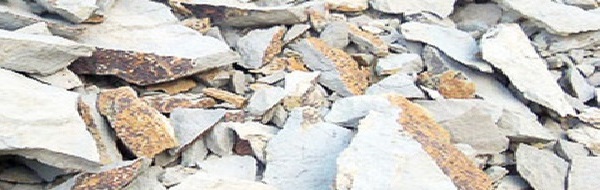
Albarese and Galestro are grey rocks found in clay sediments in the central and southern part of the Chianti region in Toscana in Italy. They are weathered sandstones with a high proportion of calcium carbonate (limestone). They are crumbly and flake easily under rain and sun, releasing nutrient minerals to the soil.
Alberese (nearly white) is found in the valley floors.
Galestro (nearly yellow) is found at the highest altitudes.
Galestro soils tend to deliver wines with a more robust fruit character, while wines made from Alberese soils can be more mineral.
Albarese Soil
Albarese is a hard, compact limestone (calcareous rock) that is rich in calcium carbonate. It is essentially weathered sandstone with high limestone content and appears nearly white when found in the valley floors.
This soil provides excellent drainage and moisture retention due to its composition, which helps vines develop deep root systems. It is less fertile than clay-heavy soils, leading to lower grape yields but higher flavor concentration.
Grapes grown in Albarese soil tend to produce wines that are savory and mineral-driven, with a sharper, more refined structure, vibrant acidity, and firm tannins.
Galesto Soil
Galestro is the local name for a grey, flaky, schist-like marlstone (or argillite) that is unique to Tuscany. It is a rock formation of stone and sand that is not fully compact clay but will eventually become clay.
Though it appears hard, Galestro is soft and flakes easily under rain and sun, which helps aerate the soil and allows roots to penetrate easily.
Galestro holds water. It allows Sangiovese to ripen without suffering heat stress in areas like Montalcino and Chianti Classico.
Galestro soils typically yield wines with a more robust fruit character, enhanced intensity, aromatic complexity, power, and pronounced minerality and depth.
Galestro gives darker and richer wines compared to Alberese.
Maremma Soil
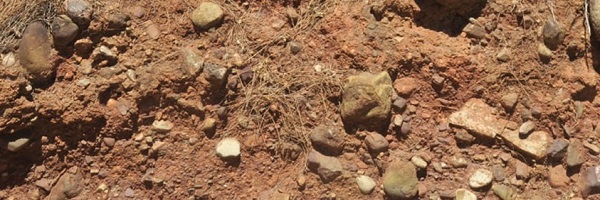
Maremma soil refers to the soil found in the Maremma region of Tuscany, Italy.
The diversity of soil types in the Maremma region makes it an exciting area for viticulture, as different vineyards can produce wines with distinct characteristics, even within the same general location.
The unique combination of soil, climate, and topography in Maremma gives the wines from this area a distinctive identity within Tuscany. The soils in the Maremma vineyards are typically a mix of the following:
-
Clay and Silt
Clay and silt soils retain moisture and can help vines endure the hot Mediterranean climate. -
Sandstone and Limestone
Parts of the Maremma region feature soils rich in sandstone and limestone. Limestone, in particular, is associated with producing higher-quality wines. -
Volcanic Influence
Some areas of Maremma have volcanic soil influences, especially in regions closer to the ancient volcanic zones. -
Alluvial Soils
Near river valleys and coastal plains, you’ll find alluvial soils, which are nutrient-rich and often composed of loam, sand, and gravel.
Terra Rossa
Terra Rossa is a red clay-rich soil, with high levels of iron oxide.
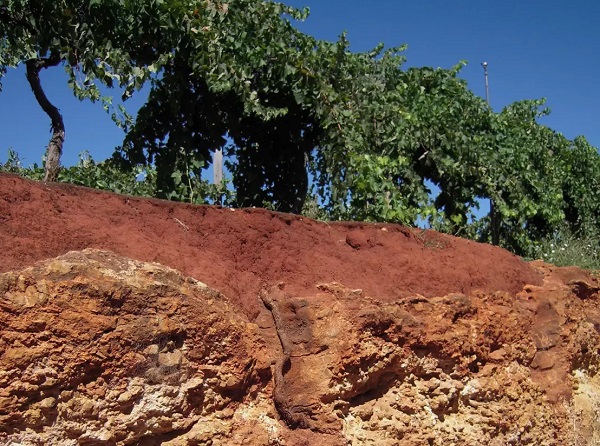
Terra rossa soil over white limestone at Coonawarra. © Wine Australia.
Terra Rossa (italian: red soil) is the soil that is left when limestone is broken down. It is a shallow clayey soil with good drainage.
Terra Rossa ocurres in around the Mediterranean and in limited areas of southern Australia.
Best known Regions:
- La Mancha (Spain)
- Carso and Teran areas in the border region of Slovenia and Italy
- Coonawarra (Australia)
- Barossa Valley (Australia)
Other red iron soil types include Rotliegend in the Rheinfront area of Rheinhessen, and a soil found in the Pomerol area of France with an underlayer of ferruginous clay called "crasse de fer" or "machefer".