Serbian Wine
Serbia’s wine scene is experiencing a major renaissance. After decades of focus on mass production during the Yugoslav era, the country has shifted heavily toward high-quality, boutique, family-run wineries.
Serbian winemakers are successfully blending ancient traditions with modern technology. They are winning major international awards at competitions like the Decanter World Wine Awards.
Grapes
Serbia grows over 200 different grape varieties.
While international grapes cover large areas, the true excitement lies in its indigenous and naturalized grapes.
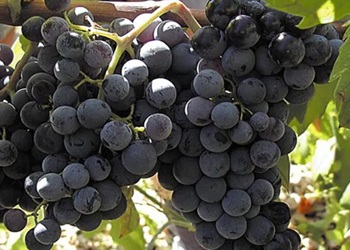
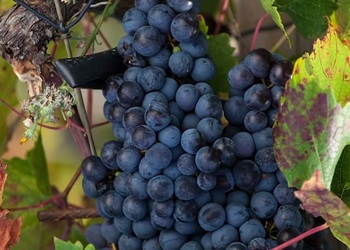
Prokupac (Red)
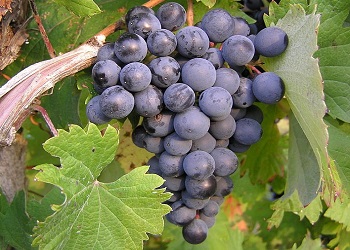
The king of Serbian red grapes. It produces medium-bodied, elegant wines with flavors of red cherries, dark berries, and forest floor, often compared to a mix of Pinot Noir and Syrah.
Tamjanika (White)
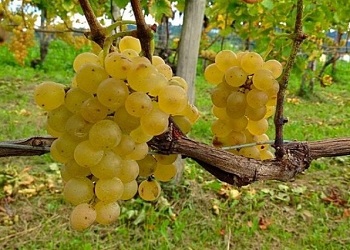
An ancient, highly aromatic clone of Muscat Blanc à Petits Grains. It yields light, floral wines bursting with intense aromas of jasmine, citrus, and tropical fruits.
Grašac (White)
Historically known as Welschriesling (or Italian Riesling). It is the most planted white grape in northern Serbia. Serbian winemakers have revitalized the grape to produce everything from crisp, light whites to complex, aged white wines.
Smederevka (White)
A highly productive local grape known for its refreshing, high acidity. It is frequently used for light everyday table wines.
Serbian Hybrids
Serbian scientists have successfully crossbred unique varieties to handle local weather patterns.
Probus (Red)
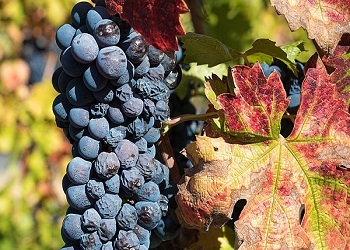
A cross between Cabernet Sauvignon and Kadarka. It delivers deeply colored, rich, ink-dark red wines with heavy blackberry notes.
Morava (White)
A winter-hardy grape created to resist cold weather and diseases. It yields highly refreshing wines with a green-herbal and citrus character.
International Grapes
International grapes thrive beautifully across Serbian terroirs. Whites like Chardonnay and Sauvignon Blanc perform exceptionally well in the north. Meanwhile, Cabernet Sauvignon and Merlot produce complex, long-aging red blends in Central Serbia.
Wine Regions

Geographically, Serbia sits on the same latitude as famous French regions like Bordeaux. The country features a complex system of wine-growing zones, broadly split into three macro-regions:
Vojvodina (Northern Serbia)
Located in the flat Pannonian Plain, this cooler region is heavily influenced by the Danube and Sava rivers.
Fruška Gora is a historic volcanic mountain ridge. It acts as a focal point for crisp white wines, sparkling wines, and elegant reds.
Vršac, near the Romanian border, is famous for its rolling hills and endless fields of white grapes.
Central Serbia
This macro-region is more mountainous. It features warmer climates that are perfect for ripening structured red wines.
Župa is called the historical heart of Serbian winemaking. It is a valley surrounded by mountains, creating a unique microclimate perfectly suited for red grapes.
Šumadija is known as the "Serbian Tuscany". This region excels in producing world-class international red blends.
Tri Morave (Three Moravas) follows the basins of the Morava rivers and is one of the largest growing zones.
Negotin Krajina (Eastern Serbia)
Located near the borders of Romania and Bulgaria, this region features a continental climate with hot, dry summers. It is famous for its heavy, powerful reds and historical stone wine cellars called Pivnice.
Climate
Serbia has a predominantly continental climate with warm summers, cold winters, and distinct seasons.
Vineyards in the north experience classic continental conditions, while southern wine regions benefit from warmer temperatures and subtle Mediterranean influences carried inland through river valleys. Cool nights help preserve acidity, and the long, sunny autumns often provide excellent conditions for slow, even grape ripening.
The combination of varied elevations, diverse microclimates, and reliable sunshine allows Serbia to produce both fresh, aromatic white wines and full-bodied, well-structured red wines.
Balkan Wine Grapes
Below is a list of the major Balkan wine grapes.

Serbia is the Old World
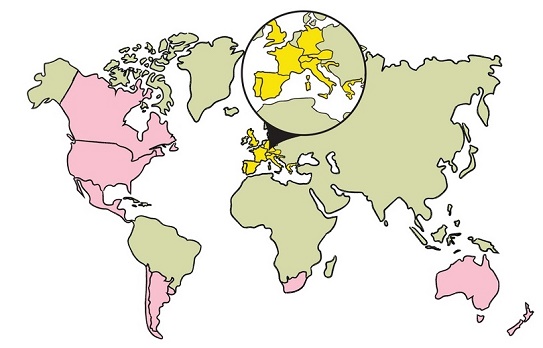
The New WorldWhere wine production was imported |
| USA |
| Argentina |
| Australia |
| Canada |
| Chile |
| South Africa |
| New Zealand |